
Understanding Unclaimed Property Law: A Comprehensive Guide by Denny Borges PA


The concept of unclaimed property can be perplexing for both individuals and businesses. Understanding the nuances of unclaimed property law is crucial to ensuring that assets are properly managed and returned to their rightful owners. This comprehensive guide by Denny Borges PA aims to demystify these laws and provide clarity on this often-overlooked subject.

What is Unclaimed Property?
Unclaimed property refers to accounts or assets that have been left inactive by the owner for a specified period. These can include savings accounts, stocks, uncashed checks, and even the contents of safe deposit boxes. When property remains unclaimed, it is eventually turned over to the state government, a process known as escheatment.
Each state in the U.S. has its own laws governing unclaimed property. Typically, the dormancy period before property is considered unclaimed ranges from one to five years. Once this period has elapsed, the property is transferred to the state's unclaimed property office.
How Does the Escheatment Process Work?
The escheatment process begins when a company or financial institution identifies assets that have been inactive for the legally defined period. These assets are then reported to the state as unclaimed property. The state takes custody of these assets while attempts to locate the owner are made.
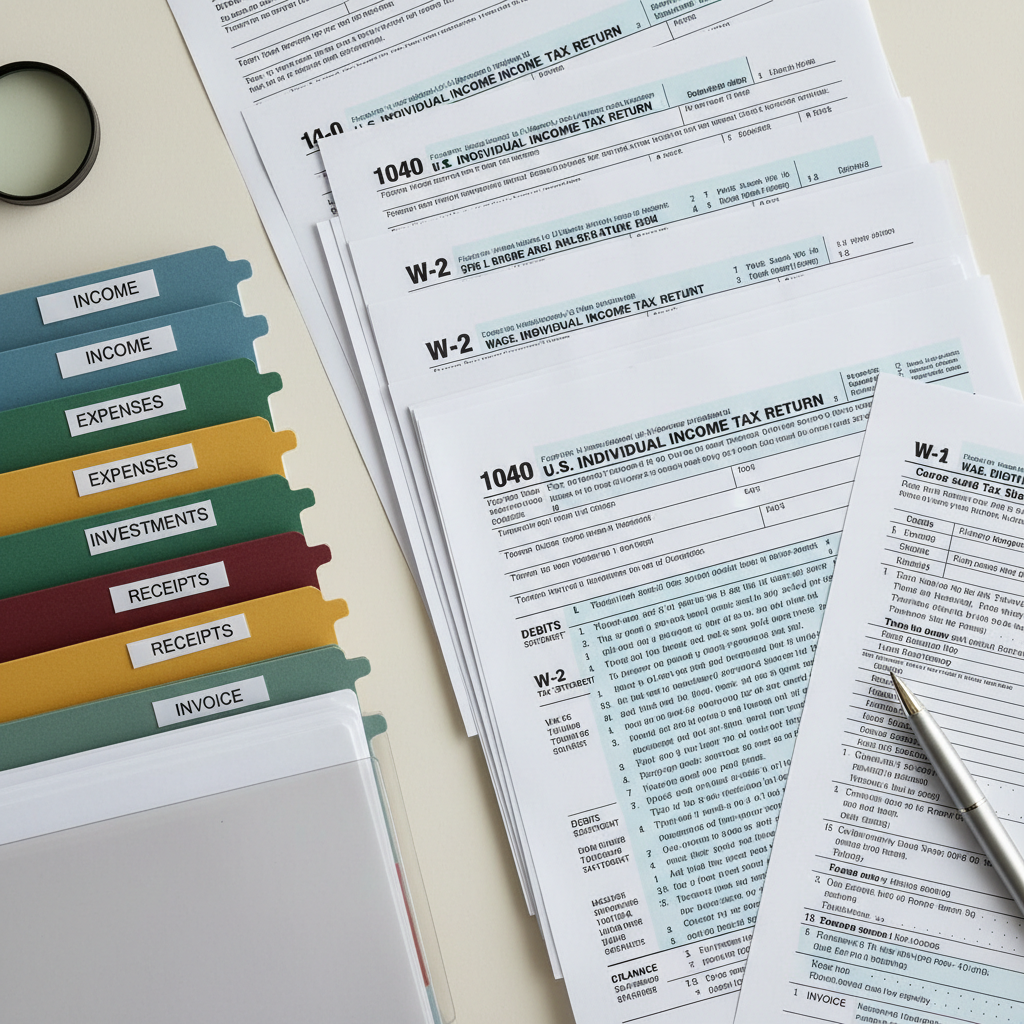
States are responsible for maintaining a database of unclaimed property and making efforts to contact the rightful owners. This can involve publishing notices in newspapers or sending direct mail to last known addresses. Owners can claim their property at any time by providing proof of ownership to the state's unclaimed property office.
Why Does Unclaimed Property Matter?
Unclaimed property laws are essential for protecting both individuals and businesses. For individuals, these laws ensure that forgotten assets are safeguarded until claimed. For businesses, compliance with unclaimed property regulations helps avoid potential penalties and fines.
Failure to report and remit unclaimed property can lead to audits and significant financial liabilities for businesses. Therefore, understanding and adhering to these laws is critical to maintaining good standing with state authorities.

How to Claim Unclaimed Property
If you suspect that you may have unclaimed property, the first step is to search the database maintained by your state’s unclaimed property office. This can often be done online using your name and last known address. Once identified, the process to claim your property typically involves submitting a claim form with necessary documentation such as identification and proof of ownership.
It is advisable to regularly check for unclaimed property since new items are added frequently. Staying informed can help ensure that you recover any assets that are rightfully yours.
Conclusion
Understanding unclaimed property law is vital for both individuals and businesses to protect and recover assets. By familiarizing yourself with the escheatment process and how to claim unclaimed property, you can ensure that your financial interests are safeguarded. Regularly monitoring for unclaimed assets can lead to the recovery of funds and peace of mind.
This guide provided by Denny Borges PA is designed to offer a comprehensive overview of unclaimed property laws, helping you navigate this complex area with confidence.