
Seasonal Legal Checklist: Preparing for Miami's Hurricane Season


Understanding Miami's Hurricane Season
Miami's hurricane season, spanning from June to November, can be a daunting period for residents and business owners alike. With the potential for severe weather, it's crucial to prepare adequately. This seasonal legal checklist aims to help individuals and businesses take the necessary steps to safeguard their assets and ensure compliance with local regulations.
Reviewing Insurance Policies
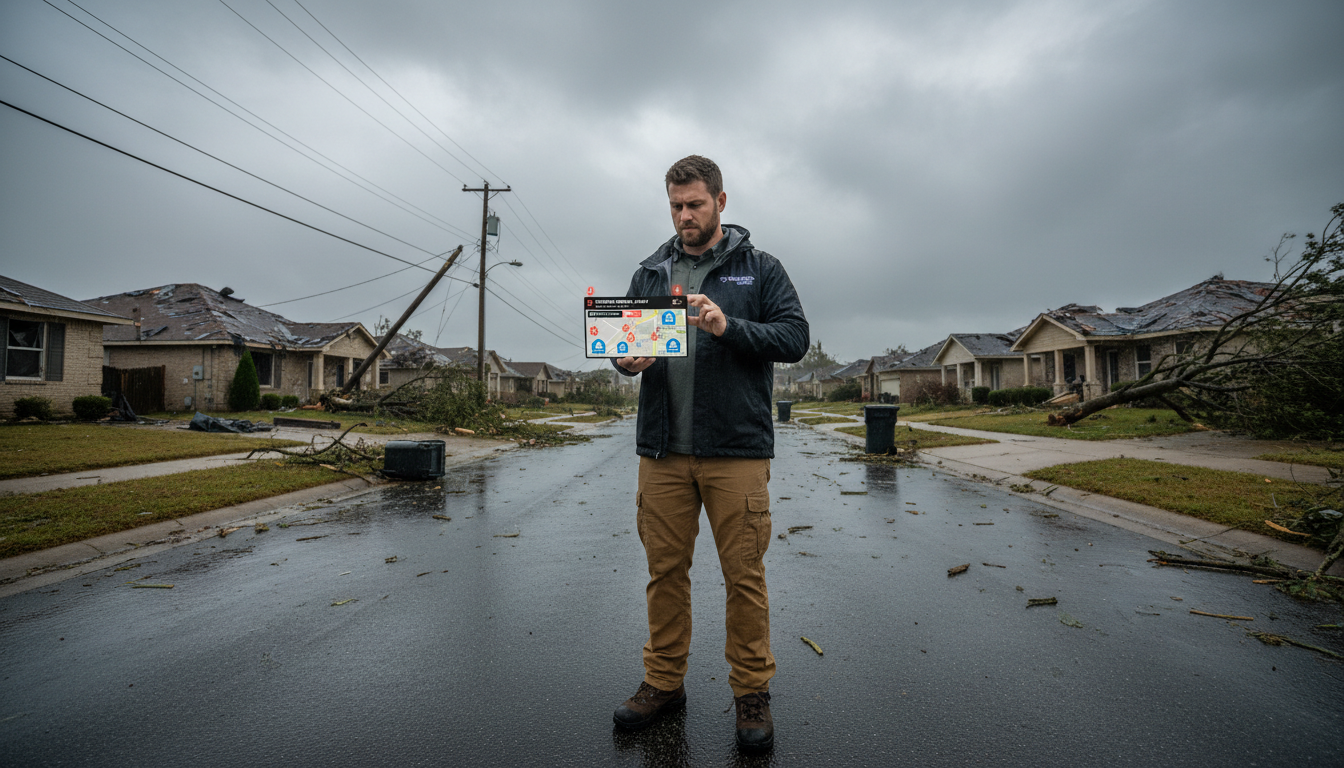
One of the first steps in preparing for hurricane season is to review your insurance policies. Ensure that your property, health, and business insurance policies are up to date and provide adequate coverage for hurricane-related damages. It's essential to understand the terms and conditions, especially regarding wind and flood damage, as these can be costly without proper coverage.
Additionally, consider adding or updating endorsements that specifically cover hurricane-related issues. It's often wise to consult with a legal or insurance professional to ensure your policies meet current needs and comply with any recent changes in legislation.
Securing Property and Assets
Physical preparation is as important as legal preparation. Ensure that your property is fortified against potential hurricane damage. This includes reinforcing windows and doors, securing outdoor items, and checking the integrity of your roof. Legal preparations should include verifying that all building permits and zoning requirements are up to date.
For businesses, conducting a thorough inventory of assets and securing sensitive information is critical. Ensure that important documents are stored safely, preferably in waterproof and fireproof containers or digitally backed up in secure cloud storage.
Developing an Emergency Plan
Having a detailed emergency plan is vital for both individuals and businesses. This plan should outline evacuation routes, emergency contacts, and communication strategies. Ensure that all family members or employees are familiar with the plan and conduct regular drills to keep everyone prepared.
For businesses, it's important to include a business continuity plan. This should cover how operations will continue during and after a hurricane, minimizing downtime and financial loss. Legal considerations might involve reviewing contracts and agreements to understand obligations in the event of a disruption.

Legal Compliance and Documentation
Ensure compliance with all local, state, and federal regulations concerning hurricane preparedness. This might involve updating safety measures, conducting regular inspections, and maintaining proper documentation. Failure to comply can lead to legal penalties and increased vulnerability during a hurricane.
Keep a detailed record of all preparations made, including receipts, photographs, and communication logs. These documents can be invaluable for insurance claims and legal purposes post-hurricane.
Staying Informed
Finally, staying informed about weather updates and emergency protocols is crucial. Sign up for local alerts and follow reputable sources for real-time information. Understanding the current situation allows for timely action and reduces the risk of being caught unprepared.
By following this seasonal legal checklist, Miami residents and businesses can better navigate the challenges of hurricane season. Preparation not only protects your physical assets but also ensures you remain compliant and ready to handle any legal implications.