
Preparing for Tax Season in Florida: Legal Tips and Tricks


Understanding Florida's Tax Landscape
As tax season approaches, it's important to be aware of Florida's unique tax landscape. Unlike many other states, Florida does not impose a personal income tax. This can simplify the process for residents, but it's crucial to understand the various other tax obligations that might apply, such as property taxes and sales taxes.
Florida's lack of income tax is a significant benefit, but residents should still be prepared to deal with federal income tax filings. Staying informed about both federal and state requirements can help ensure a smooth tax season.
Key Deadlines and Dates
Missing important tax deadlines can lead to penalties and additional charges. Here are some key dates to keep in mind:
- April 15: Federal tax return filing deadline.
- October 15: Deadline for filing federal tax return extensions.
It's advisable to mark these dates on your calendar and start gathering necessary documents well in advance to avoid last-minute stress.
Essential Documents to Prepare
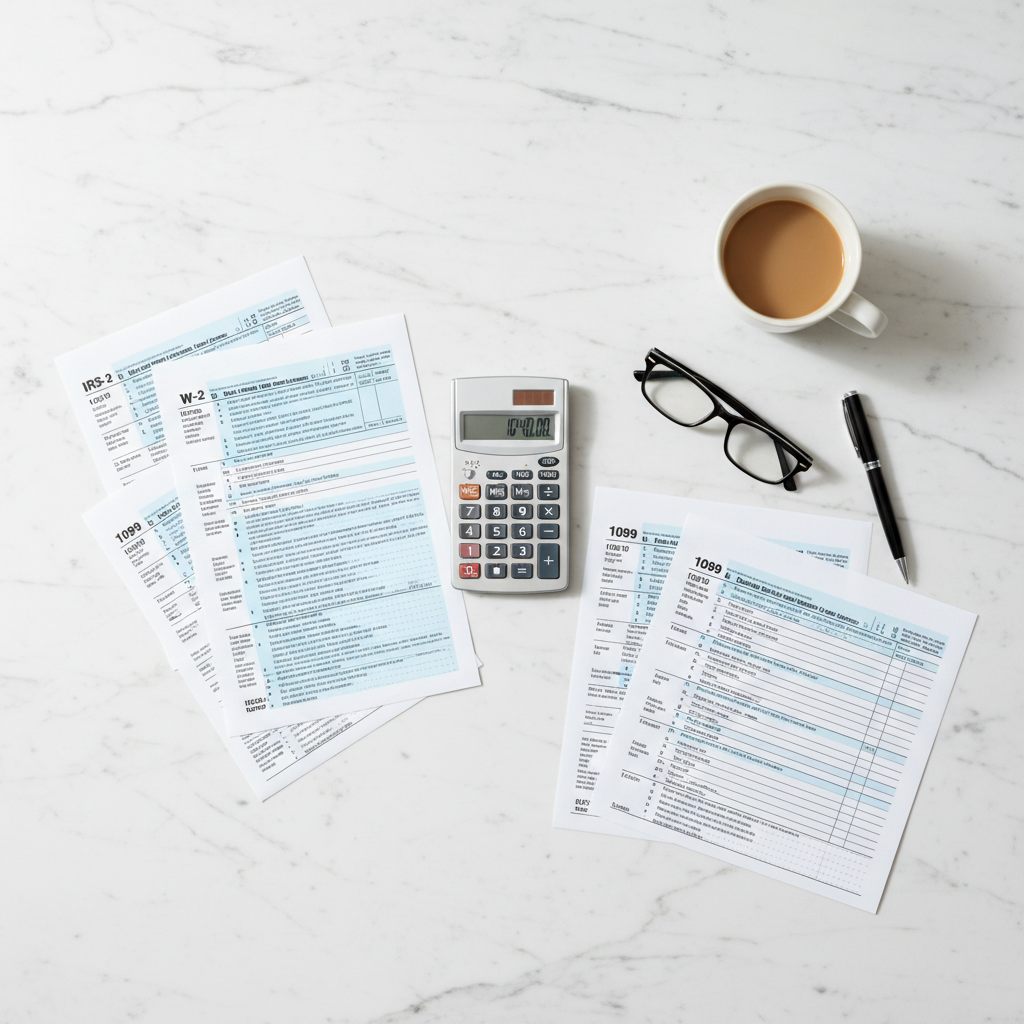
Having the right documents ready can make tax filing much smoother. Consider preparing the following:
- W-2 forms from employers.
- 1099 forms for other income.
- Receipts for deductible expenses.
- Documentation of property taxes paid.
Leveraging Tax Deductions and Credits
Maximizing deductions and credits is key to reducing your tax liability. Common deductions include mortgage interest, charitable contributions, and certain medical expenses. Tax credits, such as those for education or energy-efficient home improvements, can also provide significant savings.
Consulting with a tax professional can help you identify all available deductions and credits, ensuring you don't miss out on potential savings.
Utilizing Technology for Tax Preparation
In today's digital age, technology can simplify tax preparation. Online tax software and apps can help you organize documents, calculate taxes, and even file returns electronically. Many of these tools offer step-by-step guidance and support.
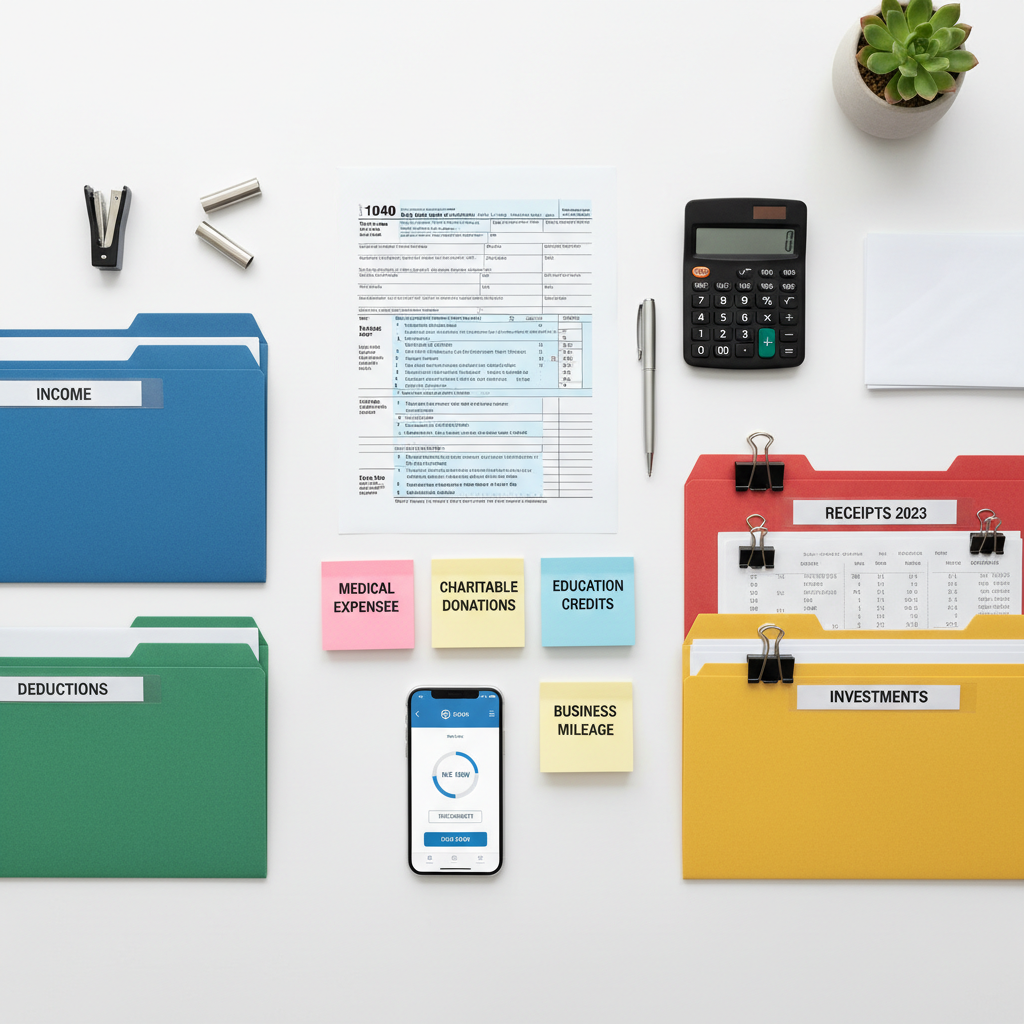
Using technology not only saves time but can also enhance accuracy, reducing the likelihood of errors that could trigger an audit.
Consulting a Tax Professional
While many people opt for DIY tax preparation, consulting with a professional can provide peace of mind. Tax professionals have the expertise to navigate complex situations and can offer personalized advice tailored to your financial situation.
Whether you choose to work with a CPA or an enrolled agent, professional guidance can be invaluable, especially if you have significant investments, own a business, or have experienced major life changes.
Understanding Florida's Property Taxes
Florida homeowners need to be aware of property taxes, which vary by county. These taxes are a significant source of revenue for local governments and fund essential services like schools and infrastructure.
To avoid surprises, review your property tax bill carefully and consider appealing if you believe your property's assessed value is too high.
Final Preparations and Filing
As the deadline approaches, review your tax return carefully before filing. Ensure all information is accurate and complete. Double-check names, Social Security numbers, and bank account details for direct deposit refunds.
Once you're satisfied, submit your return electronically or via mail, keeping copies of all submitted documents for your records. With thorough preparation and attention to detail, you can navigate tax season in Florida with confidence.