
How to File a Mold Lawsuit in Florida: A Step-by-Step Guide


Dealing with mold in your home can be a stressful experience, especially when it leads to health issues or property damage. If you find yourself in this situation in Florida, you may consider filing a mold lawsuit. Understanding the legal process can be crucial to achieving a successful outcome.
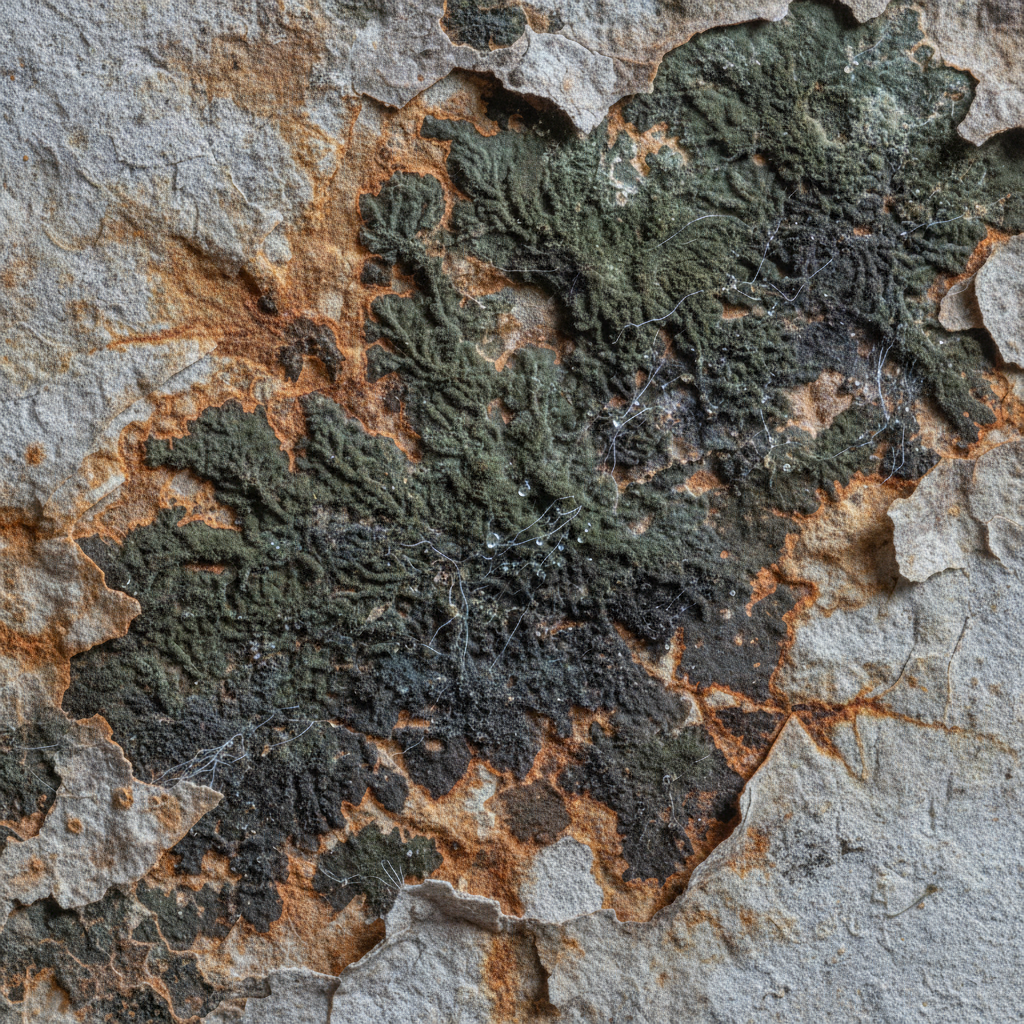
Understanding Mold Issues
Mold can grow in any damp area and is often found in bathrooms, basements, and attics. It can cause various health problems, including respiratory issues and allergies. If you believe mold in your home is due to negligence by a landlord, builder, or contractor, you might have grounds for a lawsuit.
When to Consider a Lawsuit
Before proceeding with a lawsuit, ensure you have a valid claim. This could include proving that a party's negligence led to the mold growth, and that it caused significant health issues or property damage. Consulting with a legal expert can help you determine the viability of your case.
Gathering Evidence
Evidence is essential to support your claim. This can include:
- Photos of the mold and affected areas
- Medical records showing health problems related to mold exposure
- Inspection reports from mold specialists
- Communication records with landlords or contractors

Filing the Lawsuit
Once you've gathered sufficient evidence, the next step is to file your lawsuit. Here’s a step-by-step guide:
Step 1: Hire an Attorney
Engage a lawyer experienced in mold litigation in Florida. They will be able to guide you through the process, ensuring that all legal requirements are met.
Step 2: File a Complaint
Your attorney will help you file a complaint with the appropriate court. This document outlines your allegations, the damages you seek, and why the defendant is responsible.

Understanding Florida Laws
Florida has specific laws and regulations regarding mold-related claims. Understanding these can affect your case’s outcome. For example, Florida law requires landlords to maintain properties in a habitable condition, which includes addressing mold issues promptly.
Statute of Limitations
Be aware of the statute of limitations for filing a mold lawsuit in Florida, which is generally four years from the date you discovered the mold. Missing this deadline can result in losing your right to sue.
Settlement or Trial
Many mold lawsuits are settled out of court. Your attorney will negotiate on your behalf to reach a fair settlement. If a settlement isn't possible, the case may go to trial, where a judge or jury will determine the outcome.
Filing a mold lawsuit in Florida requires careful preparation and understanding of the legal process. By following these steps and working with a skilled attorney, you can pursue the compensation you deserve.