
Case Study: Successful Mold Lawsuit Outcomes in Florida


Understanding Mold Lawsuits in Florida
Florida's humid climate makes it a hotspot for mold issues in residential and commercial properties. Mold can cause severe health problems and property damage, leading many Floridians to seek legal recourse. This case study explores successful mold lawsuit outcomes in Florida, highlighting key strategies and considerations for those facing similar challenges.
Mold lawsuits typically arise from disputes between tenants and landlords, homeowners and builders, or property owners and insurance companies. Understanding the legal landscape and the factors contributing to successful outcomes can provide valuable insights for those impacted by mold-related issues.
Key Factors in Mold Litigation
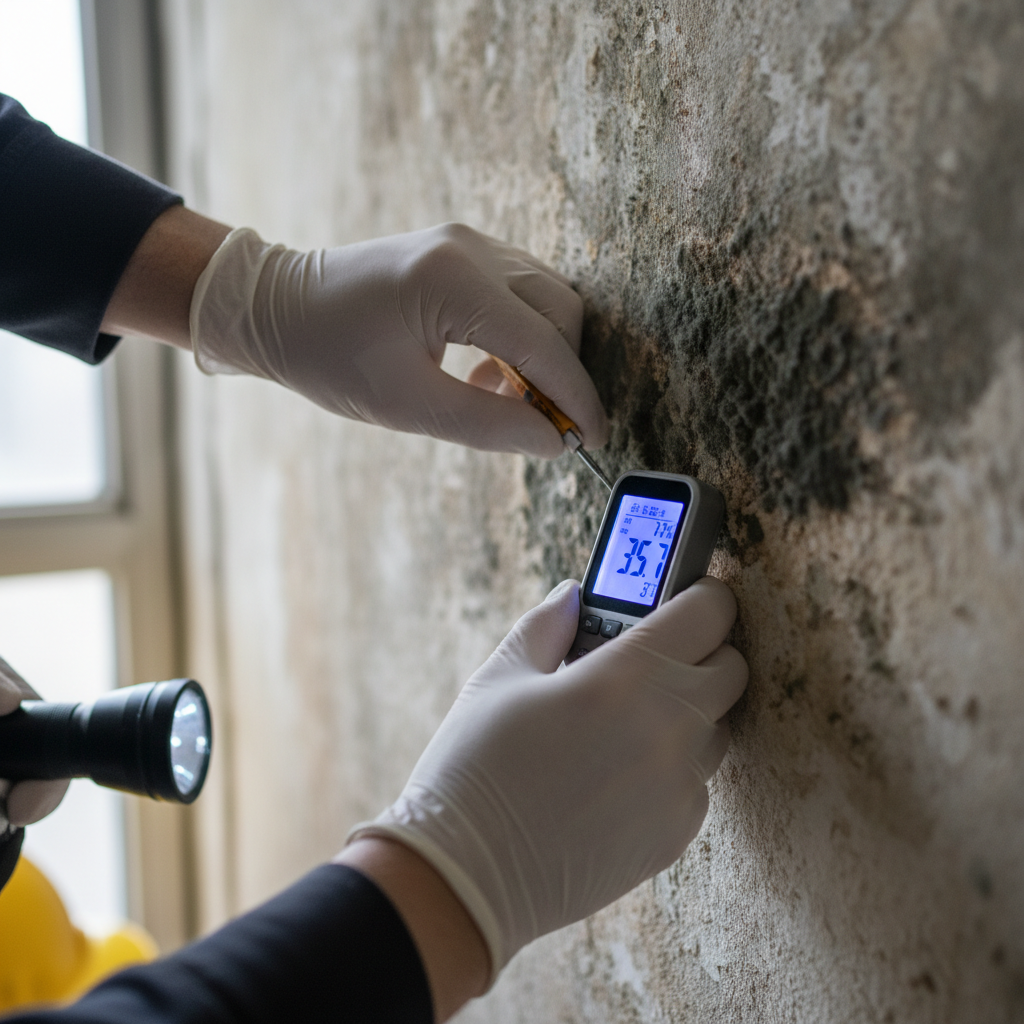
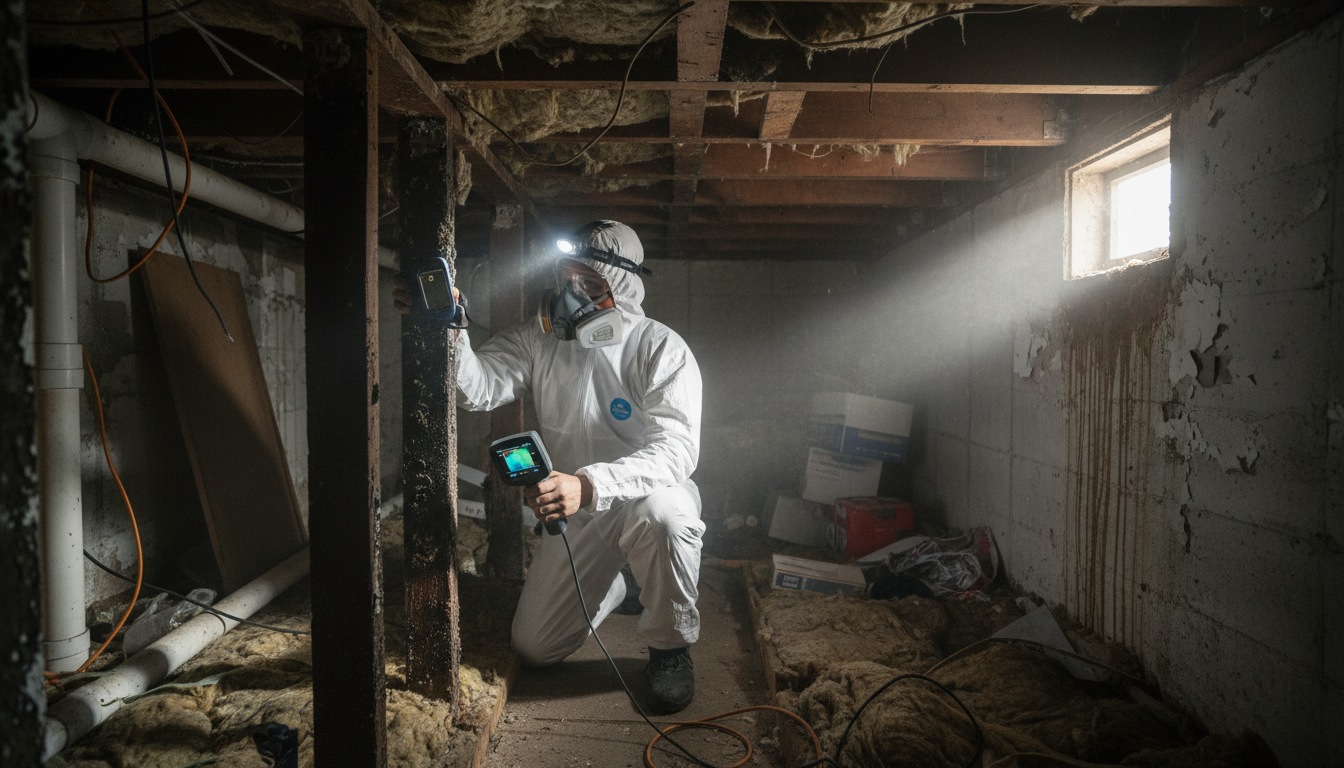
Several critical factors can influence the success of a mold lawsuit. First, establishing the presence and extent of mold exposure is crucial. This often requires expert testimony and detailed environmental assessments. Plaintiffs must demonstrate that the mold has caused health issues or property damage, often through medical records or property evaluations.
Secondly, proving negligence or breach of contract is essential. For instance, if a landlord fails to address known mold issues, they may be liable for resulting damages. Similarly, builders or contractors might be held accountable for construction defects that lead to mold growth.
Case Study: Landmark Rulings
In one landmark case, a Florida family successfully sued their landlord after repeated exposure to toxic mold led to respiratory problems. The court ruled in favor of the family, awarding significant damages for medical expenses, relocation costs, and emotional distress. This case set a precedent for future lawsuits, emphasizing the landlord's duty to maintain a safe living environment.
Another notable case involved a homeowner who sued a contractor for faulty construction that resulted in mold infestation. The court found the contractor liable for negligence, leading to a substantial settlement that covered repair costs and health-related expenses.

Strategies for Success
Individuals pursuing mold lawsuits in Florida should consider several strategies to enhance their chances of success. Engaging a knowledgeable attorney with experience in mold litigation is essential. These professionals can navigate the complexities of environmental law and help gather compelling evidence.
Additionally, maintaining thorough documentation of any mold-related issues is crucial. This includes photographs, repair invoices, medical records, and communication with landlords or contractors. Such evidence can be instrumental in building a strong case.
Insurance and Mold Claims
Insurance companies often play a significant role in mold lawsuits. Policyholders may face challenges when filing claims, as insurers sometimes dispute coverage or the extent of damages. Understanding the terms of an insurance policy and advocating for rightful compensation is vital.
Successful negotiation with insurers can sometimes lead to settlements without the need for prolonged litigation. However, having legal support can ensure that policyholders receive the compensation they deserve.

Conclusion
Mold lawsuits in Florida can be complex and challenging, but understanding the legal landscape and learning from past successful outcomes can provide a roadmap for affected individuals. By focusing on evidence, legal expertise, and strategic negotiation, plaintiffs can achieve favorable results in their pursuit of justice.
As mold issues continue to affect many Floridians, the importance of awareness and preparedness in legal matters cannot be overstated. Those facing mold-related challenges should seek professional guidance to navigate their unique situations effectively.