
Understanding Mold Lawsuits in Florida: What You Need to Know


In Florida, mold lawsuits have become increasingly common as awareness of the health risks associated with mold exposure grows. Understanding the legal landscape surrounding these lawsuits is crucial for anyone dealing with mold issues in their property. This guide will help you navigate the essentials of mold lawsuits in Florida.
Understanding Mold-Related Health Risks
Mold exposure can lead to a variety of health problems, ranging from mild allergic reactions to severe respiratory issues. In some cases, individuals may experience headaches, skin irritation, and even more serious conditions like asthma. It's essential to be aware of these risks, especially if you suspect mold presence in your home or workplace.
Property owners have a responsibility to ensure a safe and healthy environment. Failure to address mold issues promptly can lead to legal repercussions, especially if tenants or occupants suffer health problems as a result.
Legal Basis for Mold Lawsuits
In Florida, mold lawsuits typically fall under several legal categories, including negligence, breach of contract, and breach of the implied warranty of habitability. Plaintiffs in mold cases often claim that property owners or landlords failed to maintain safe living conditions, leading to mold growth and subsequent health issues.

Proving negligence involves demonstrating that the property owner knew or should have known about the mold problem and failed to take appropriate action. This can be challenging, as it requires substantial evidence, including expert testimony and documentation.
Steps to Take if You Discover Mold
If you suspect mold in your property, it's important to take immediate action. Here are some steps to consider:
- Document the Mold: Take photographs and notes detailing the mold's location and extent.
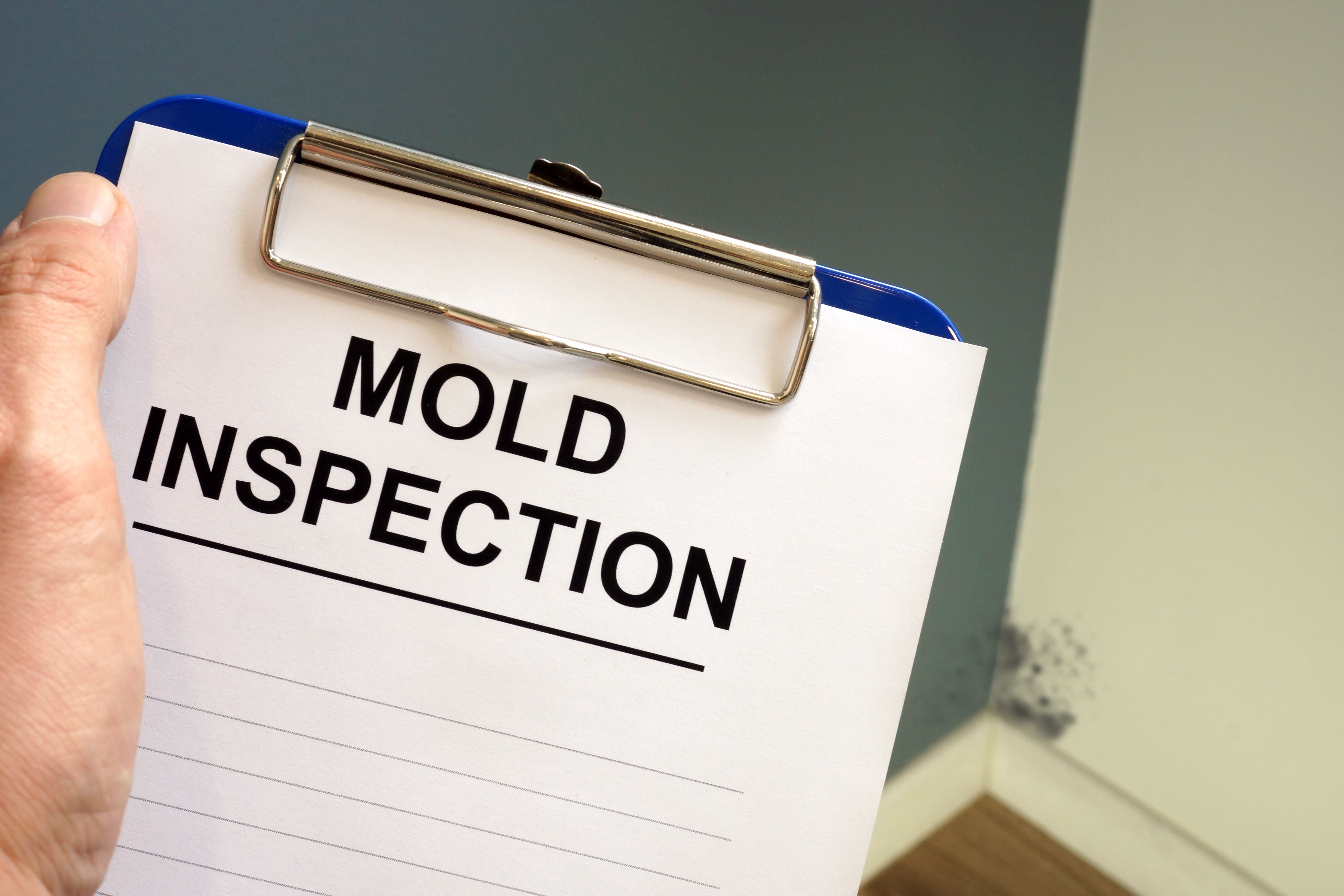
- Contact a Professional: Hire a certified mold inspector to assess the situation and provide a detailed report.
- Notify Your Landlord: If you're a tenant, inform your landlord in writing about the mold issue and request prompt remediation.
Filing a Mold Lawsuit in Florida
If a landlord or property owner fails to address the mold problem, tenants may have grounds to file a lawsuit. The process typically involves:
- Consultation with an Attorney: Seek legal advice to understand the merits of your case and the potential outcomes.
- Gathering Evidence: Collect all relevant documentation, including inspection reports, medical records, and communication with the property owner.
- Filing the Lawsuit: Work with your attorney to file the lawsuit in the appropriate court.

It's crucial to act quickly, as Florida has a statute of limitations for filing personal injury lawsuits, including those related to mold exposure.
Preventive Measures for Property Owners
To avoid potential lawsuits, property owners should take proactive measures to prevent mold growth. Regular inspections, timely repairs of leaks and water damage, and maintaining proper ventilation can significantly reduce the risk of mold.
Additionally, property owners should educate themselves about mold and its risks, ensuring they are well-prepared to address any issues that arise. Implementing a comprehensive mold management plan can safeguard both the property and its occupants.
Conclusion
Understanding the intricacies of mold lawsuits in Florida is vital for both property owners and tenants. By taking preventive measures and understanding your legal rights, you can effectively manage mold issues and avoid costly legal battles. If you find yourself in a situation involving mold, seeking professional advice and acting swiftly can make all the difference.