
Filing a Mold Lawsuit in Florida: What You Need to Know


Mold can cause significant health issues and property damage, leading many people to consider legal action. If you're in Florida and believe you have a case, understanding the process of filing a mold lawsuit is crucial. This guide will walk you through the essential steps and considerations.
Understanding Mold-Related Health Issues
Mold exposure can lead to a variety of health problems, ranging from mild allergic reactions to severe respiratory issues. Those with asthma or weakened immune systems are particularly vulnerable. Recognizing the symptoms early can be vital in building your case.
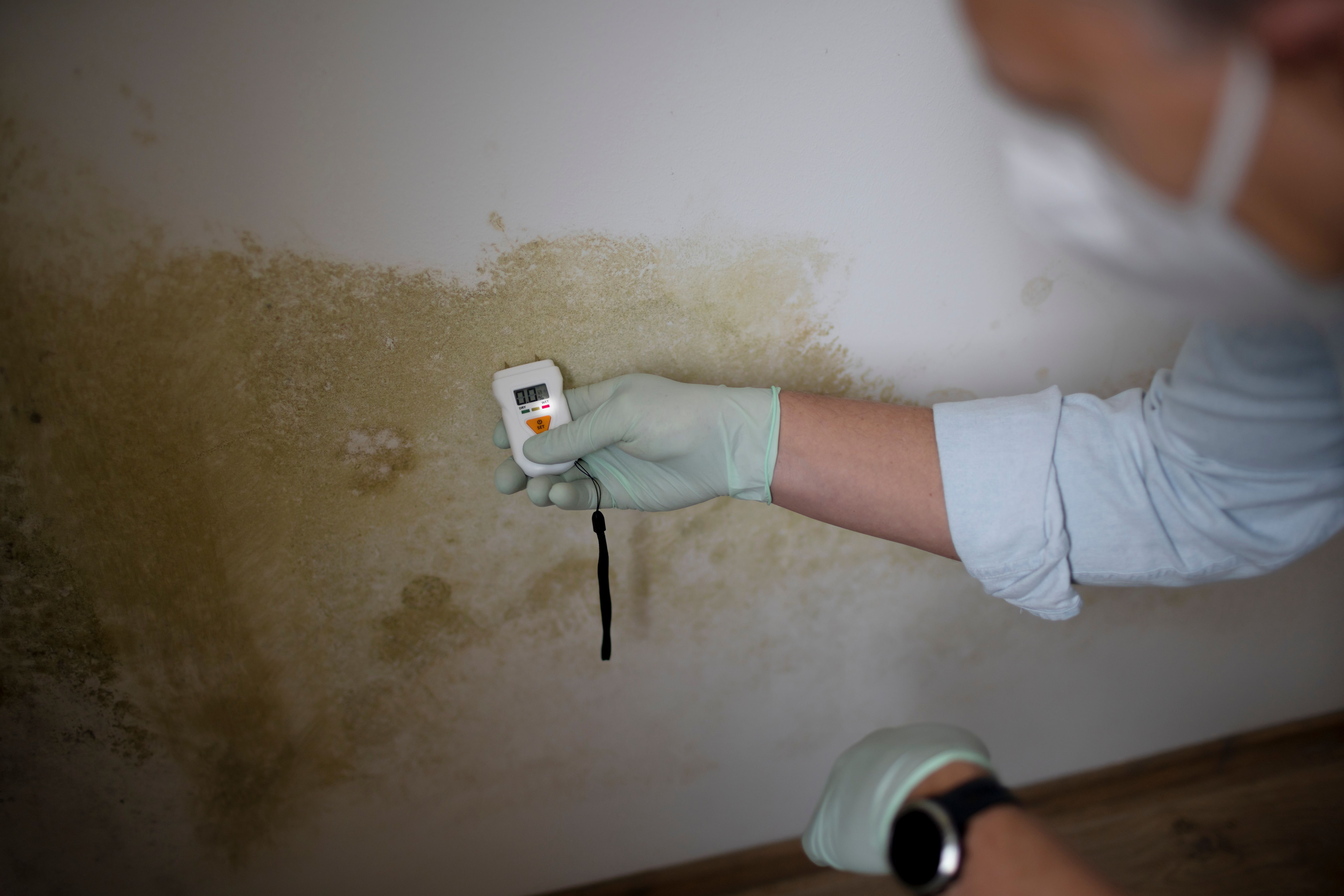
Identifying and Documenting Mold
Steps to Identify Mold
Mold often thrives in damp, hidden areas. Common signs include a musty odor, visible spores, and water stains. Hiring a professional inspector can help in accurately identifying the extent of mold in your property.
Documenting the Presence
Documentation is a critical step in building your case. Take clear photographs, keep records of any health symptoms, and collect reports from professional inspections. This evidence will be invaluable if you decide to take legal action.

Legal Grounds for Filing a Lawsuit
In Florida, you may have legal grounds for a mold lawsuit if you can prove that another party's negligence led to mold growth. This could include landlords, builders, or property managers. Consult with a legal professional to determine if you have a valid claim.
Proving Negligence
To succeed in a mold lawsuit, you must demonstrate that the party responsible owed you a duty of care, breached that duty, and caused harm as a result. This often requires expert testimony and thorough documentation.

Steps to File a Mold Lawsuit
- Consult with an experienced attorney specialized in mold cases.
- Gather all necessary documentation, including medical records and inspection reports.
- File the lawsuit within the statute of limitations, which is typically four years in Florida.
- Prepare for court proceedings, which may involve mediation or settlement discussions.
Each step requires careful consideration and professional guidance to ensure the best possible outcome.
Possible Outcomes and Compensation
A successful mold lawsuit can result in compensation for medical expenses, property damage, and other related costs. However, outcomes can vary based on the evidence presented and the specifics of each case.
Understanding what compensation you may be entitled to can help manage expectations and plan for the future.

Conclusion
Filing a mold lawsuit in Florida involves a complex legal process, but it can be a necessary step to protect your health and property. By understanding your rights and working with experienced professionals, you can navigate this challenging situation more effectively.
If you suspect mold-related issues, don't hesitate to seek legal advice. The sooner you act, the better your chances of a successful resolution.